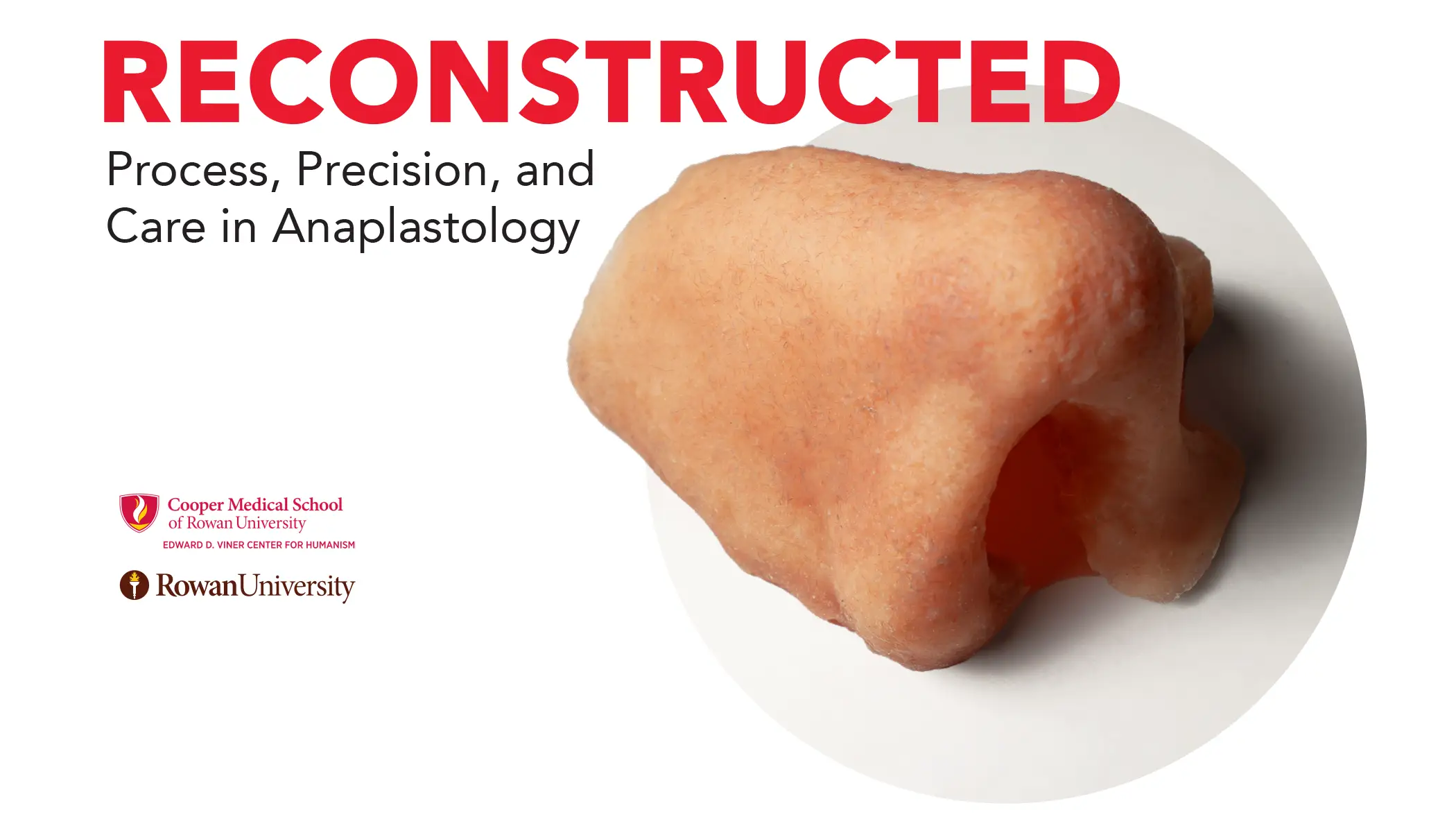
The human face plays a central role in recognition, communication, and personal identity. When facial structures are lost through trauma, congenital conditions, or disease, the resulting changes often extend beyond physical function, affecting social interaction, self-perception, and quality of life. In the United States alone, tens of thousands of patients undergo procedures each year that may result in facial defects requiring prosthetic rehabilitation, and research consistently shows that restoring facial symmetry and appearance can significantly improve psychological well-being and social confidence. This body of work was curated for my BFA Senior Thesis Show for the Biomedical Art and Visualization program at Rowan University, which was on display April 2026 at Cooper Medical School.
Artist Statement
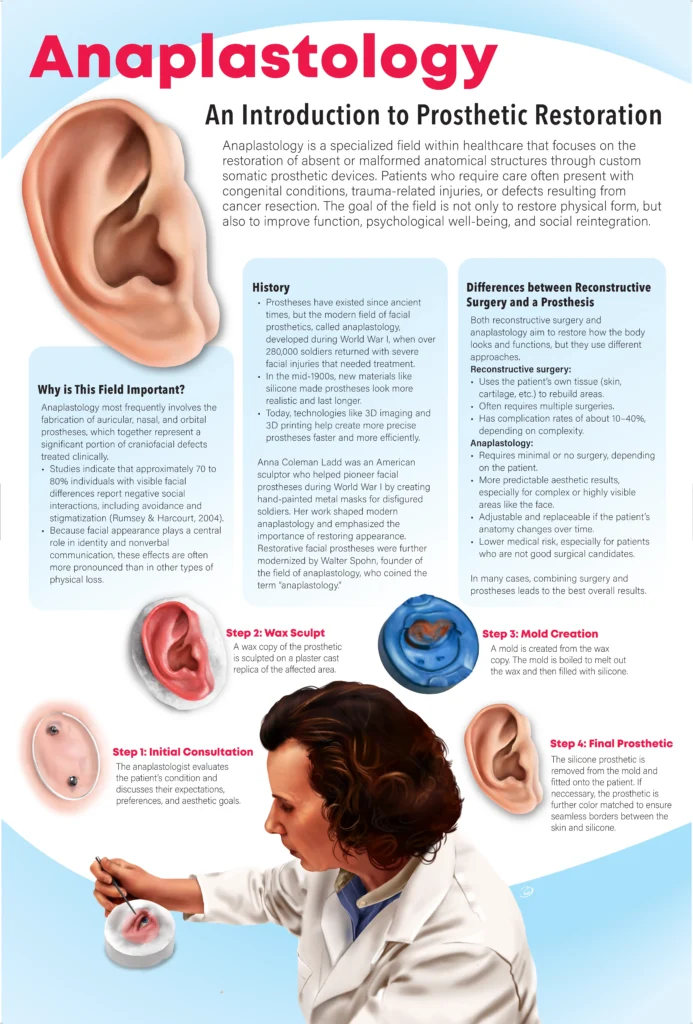
My interest in anaplastology began with a simple realization: most people have never heard of it. When I tell others that I want to become an anaplastologist, the conversation almost always requires explanation; what the field is, who it serves, and why it matters. Yet the work itself is remarkable. Anaplastologists create realistic prosthetic restorations for individuals who have lost facial structures through illness, injury, or congenital conditions. These prostheses do more than restore physical form; they help people move through the world with greater confidence, comfort, and a renewed sense of normalcy. This thesis grows from my desire to share that work with a broader audience and to highlight the care, craftsmanship, and interdisciplinary knowledge that make the field possible.
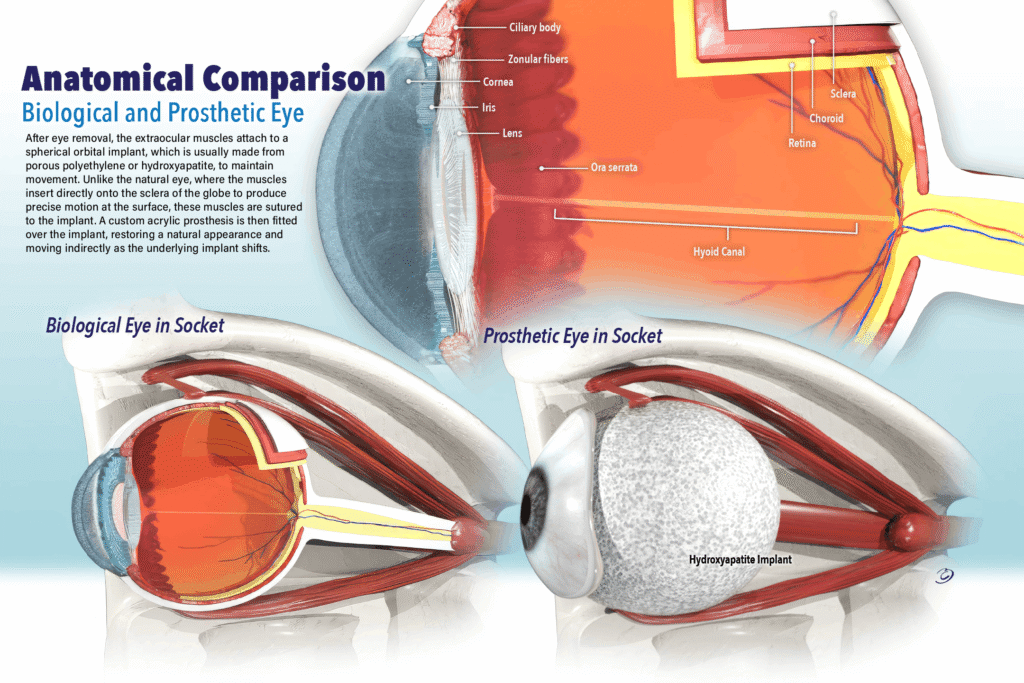
Through biomedical visualization and experimental prosthesis design, this project explores somatic facial prostheses across orbital, nasal, and auricular defects. The work combines digital visualization with hands-on fabrication studies. Educational graphics and anatomical comparisons are developed using programs such as 3ds Max, ZBrush, Photoshop, Illustrator, and InDesign to clearly communicate prosthetic anatomy and design principles. Complementing these visuals are physical mock case studies that explore traditional fabrication techniques using skin-safe silicones, intrinsically mixed pigments, plaster, alginate, and 3D printed bases. These studies draw from published anaplastology literature as well as guidance from practicing professionals in the field.
Because patient confidence plays a crucial role in satisfaction with a prosthesis, I aimed to emphasize the benefits of silicone alongside precise color matching. Presenting these patient case studies in a three-dimensional format allowed me to effectively demonstrate how seamlessly the prosthetic materials can integrate with the skin.
This project reflects the reason I chose to study biomedical art and visualization: a desire to combine research, science, and artistic practice in a meaningful way. Anaplastology sits at the intersection of these disciplines, requiring technical knowledge, anatomical understanding, and careful artistic judgment. My experiences at Rowan University have shaped how I approach visual communication and problem-solving, encouraging me to think about how art can function within real clinical contexts. Through this body of work, I hope not only to introduce viewers to the field of anaplastology, but also to demonstrate how biomedical artists can contribute to the communication and development of prosthetic medicine. Ultimately, my goal is simple, to help more people understand the value of a field dedicated to restoring both appearance and a sense of wholeness to those who need it.
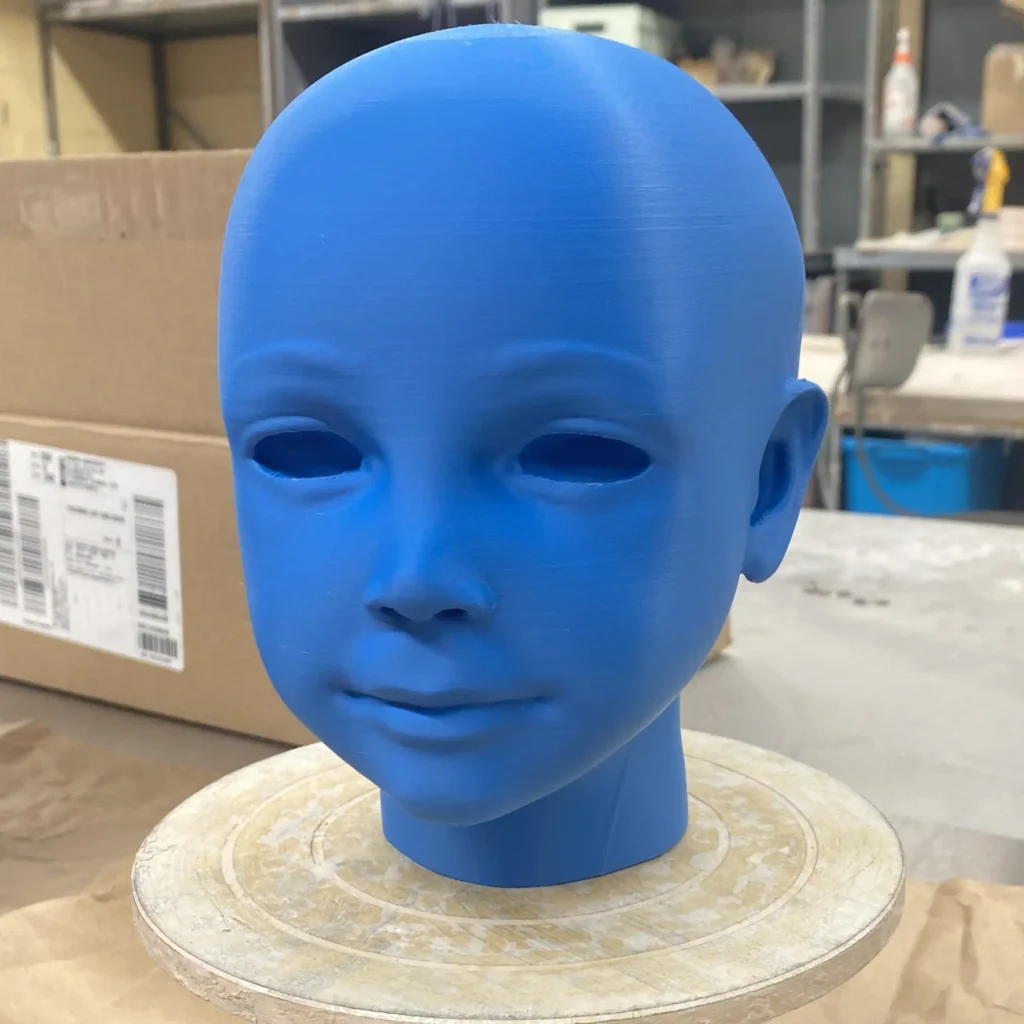
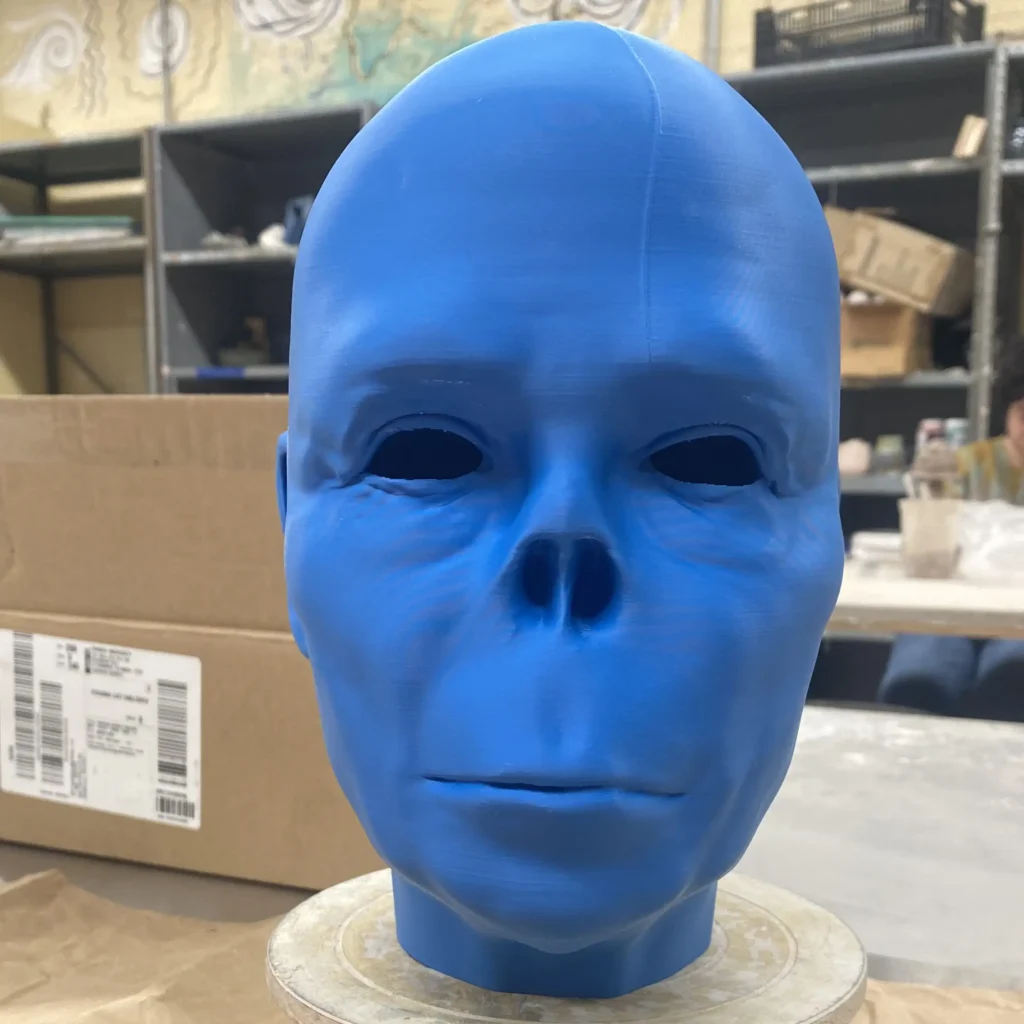
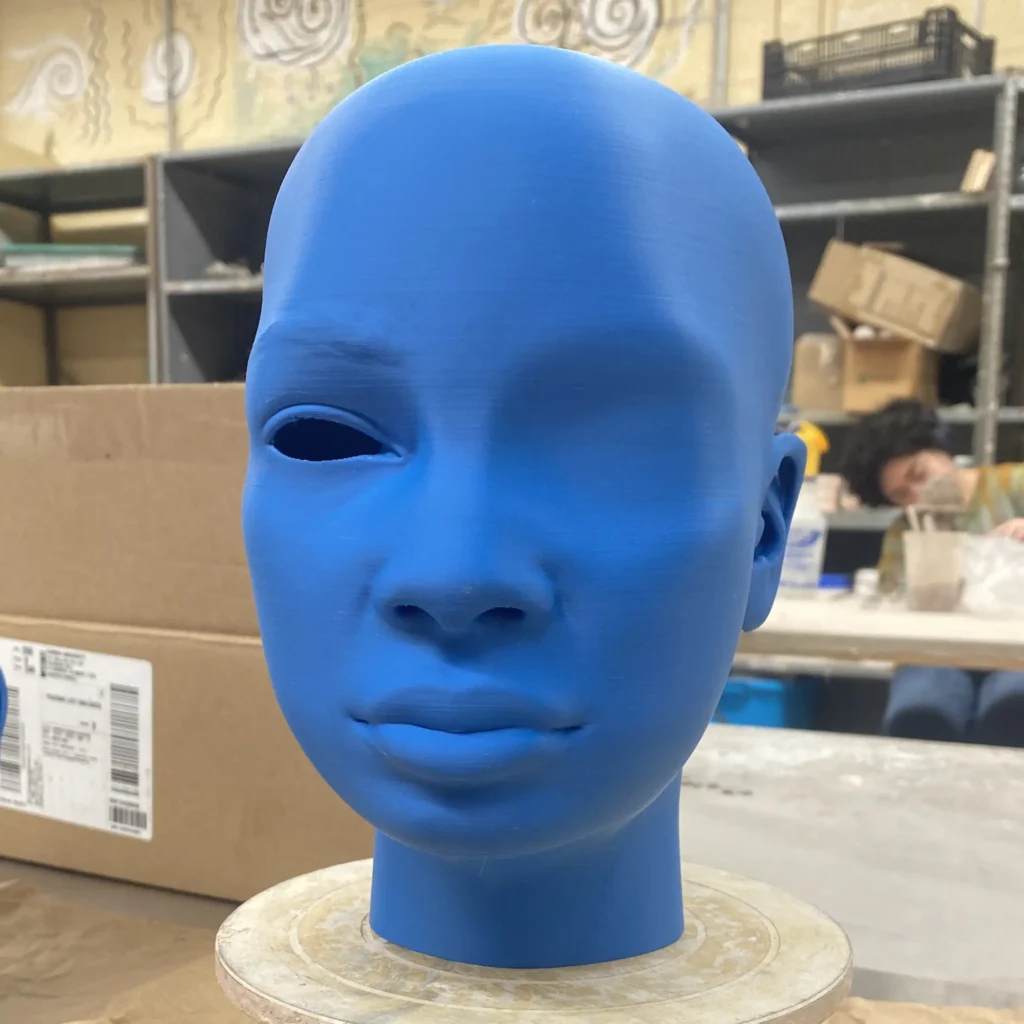
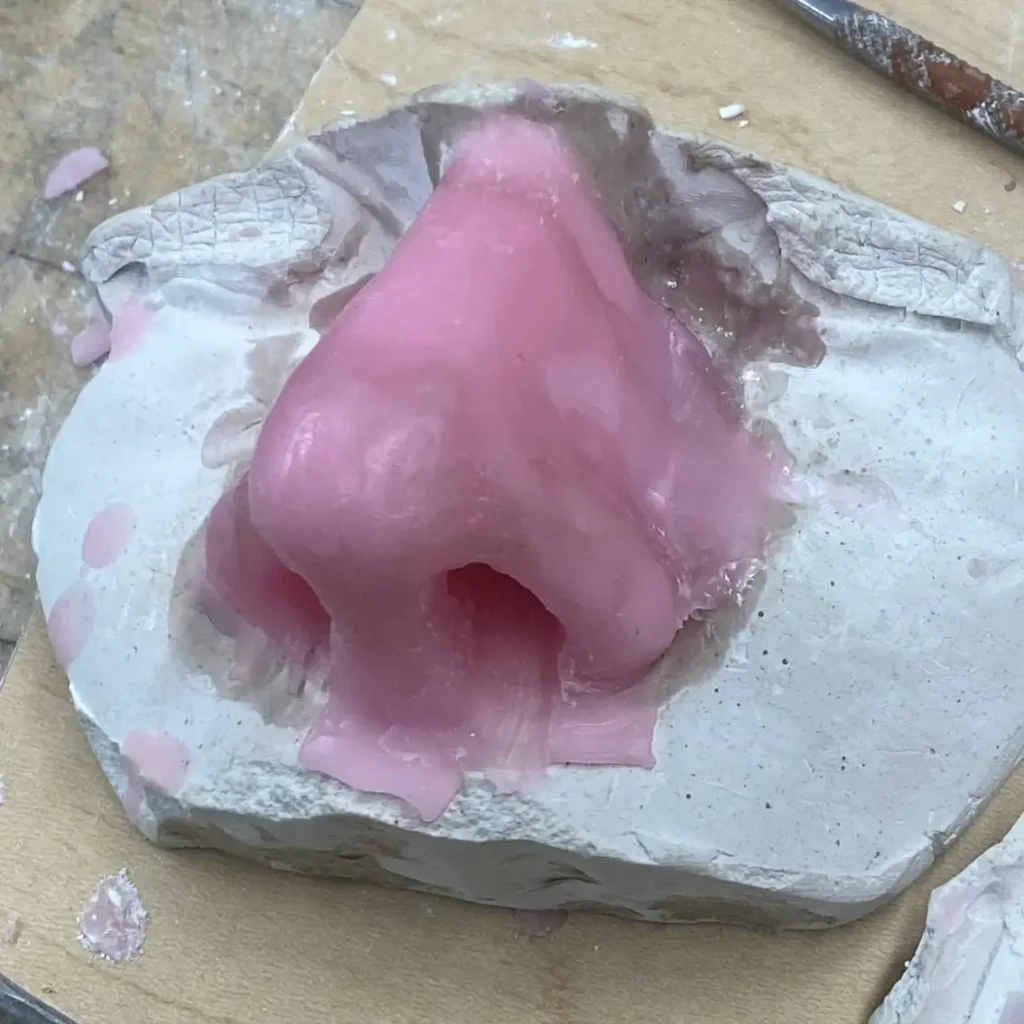
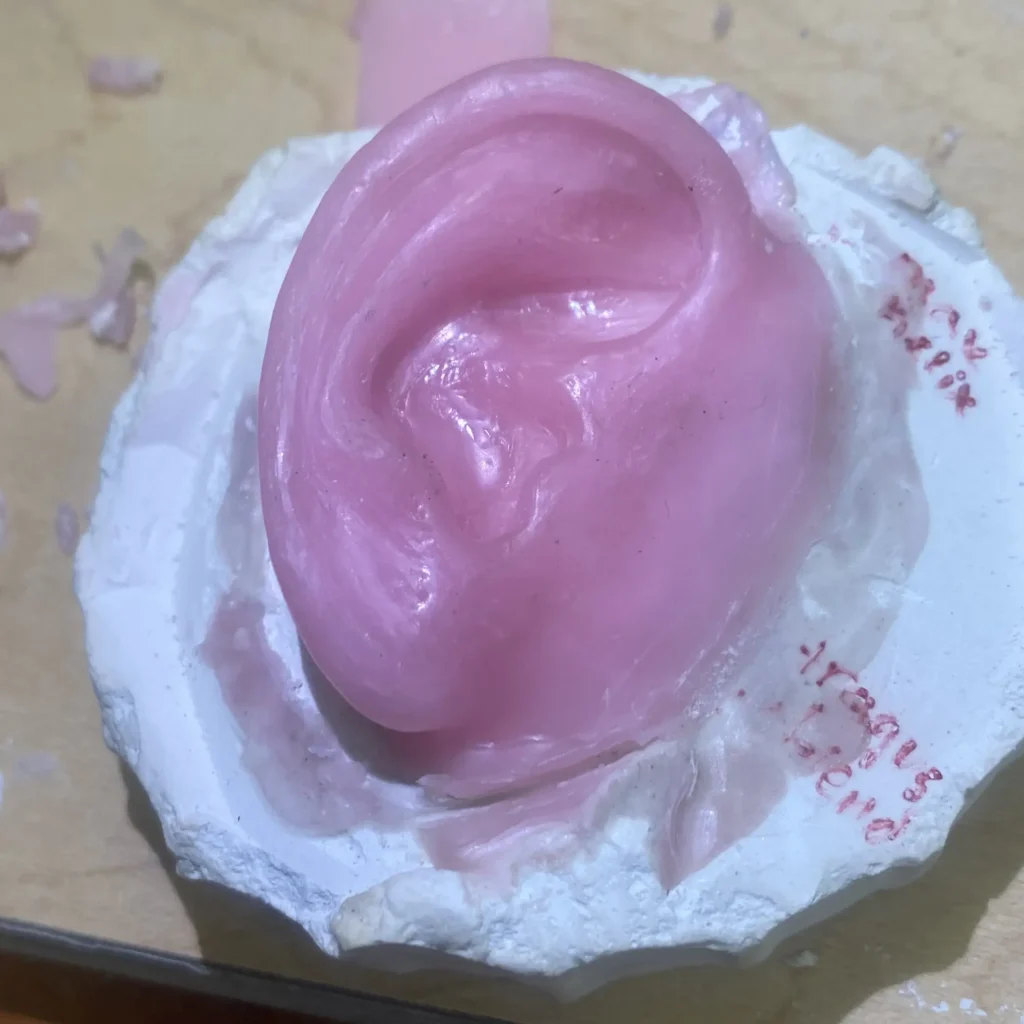
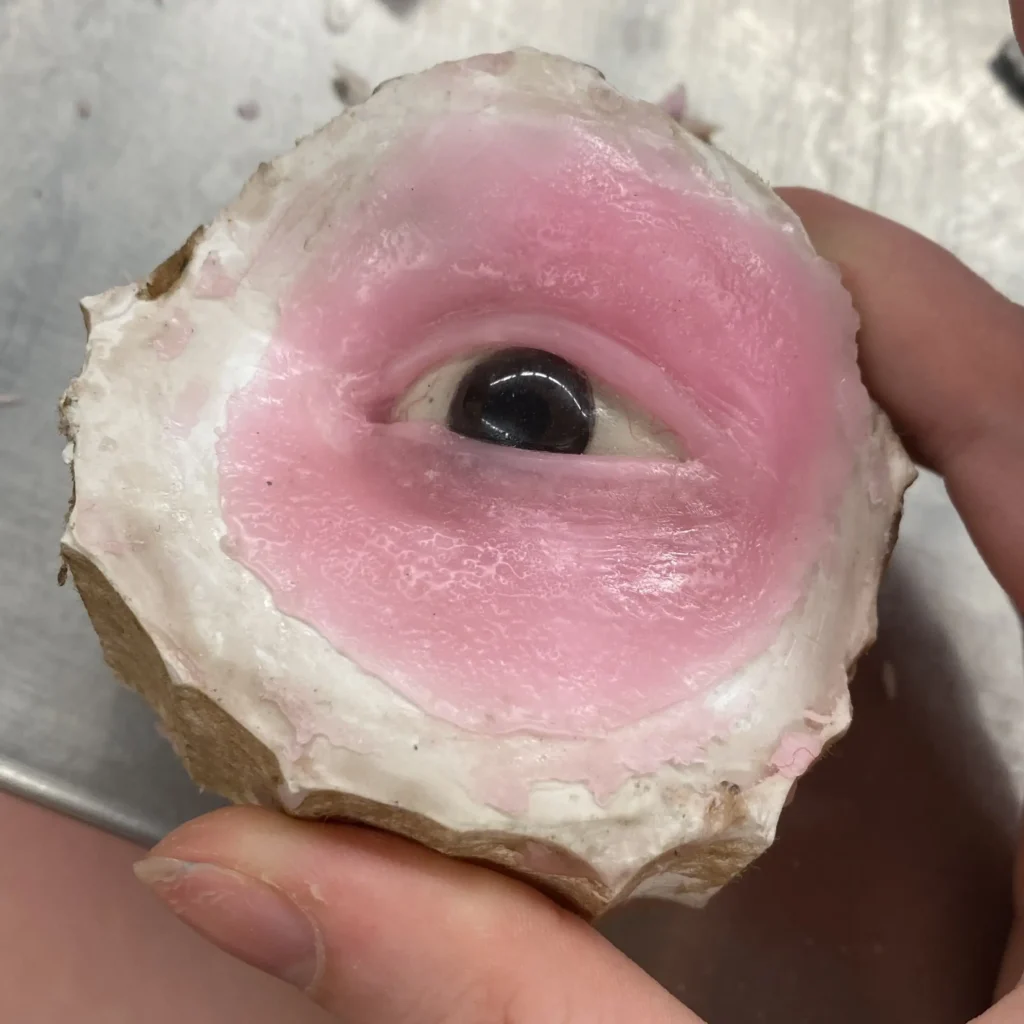
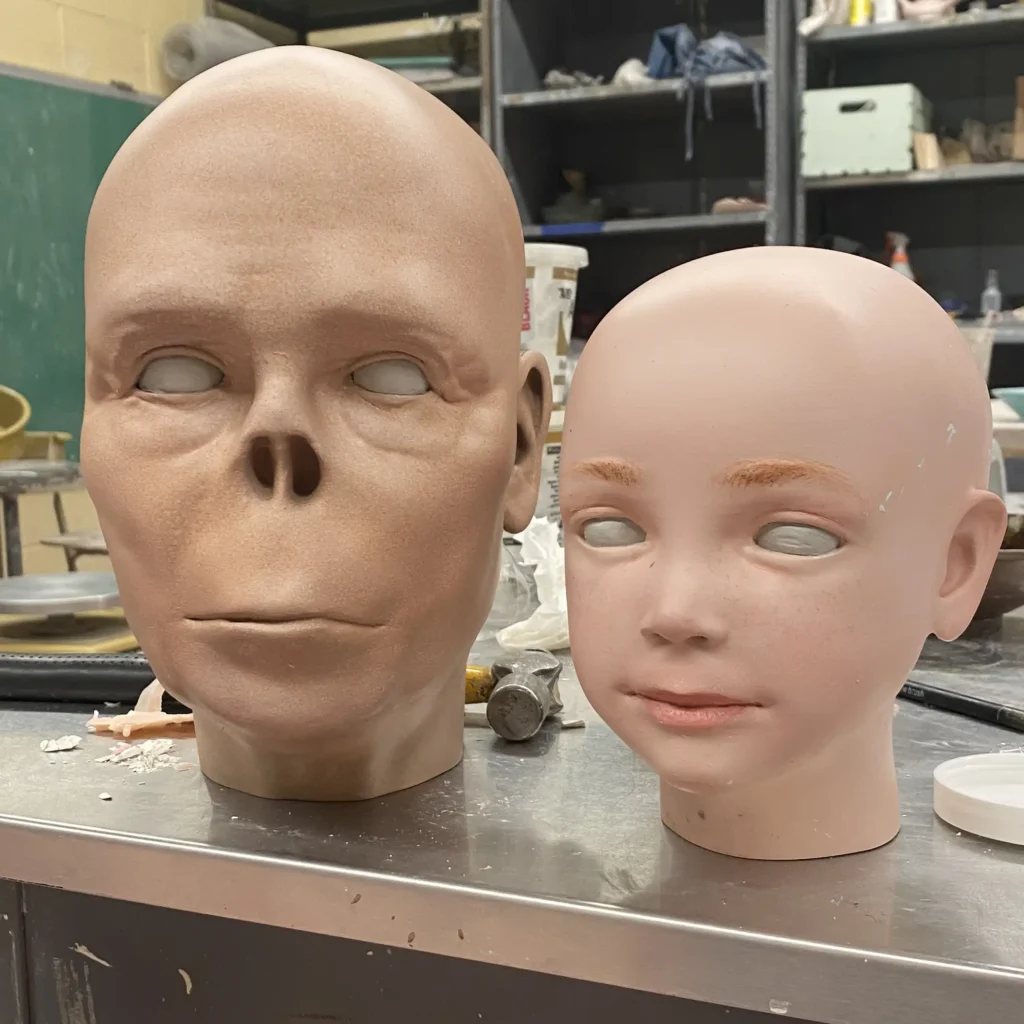
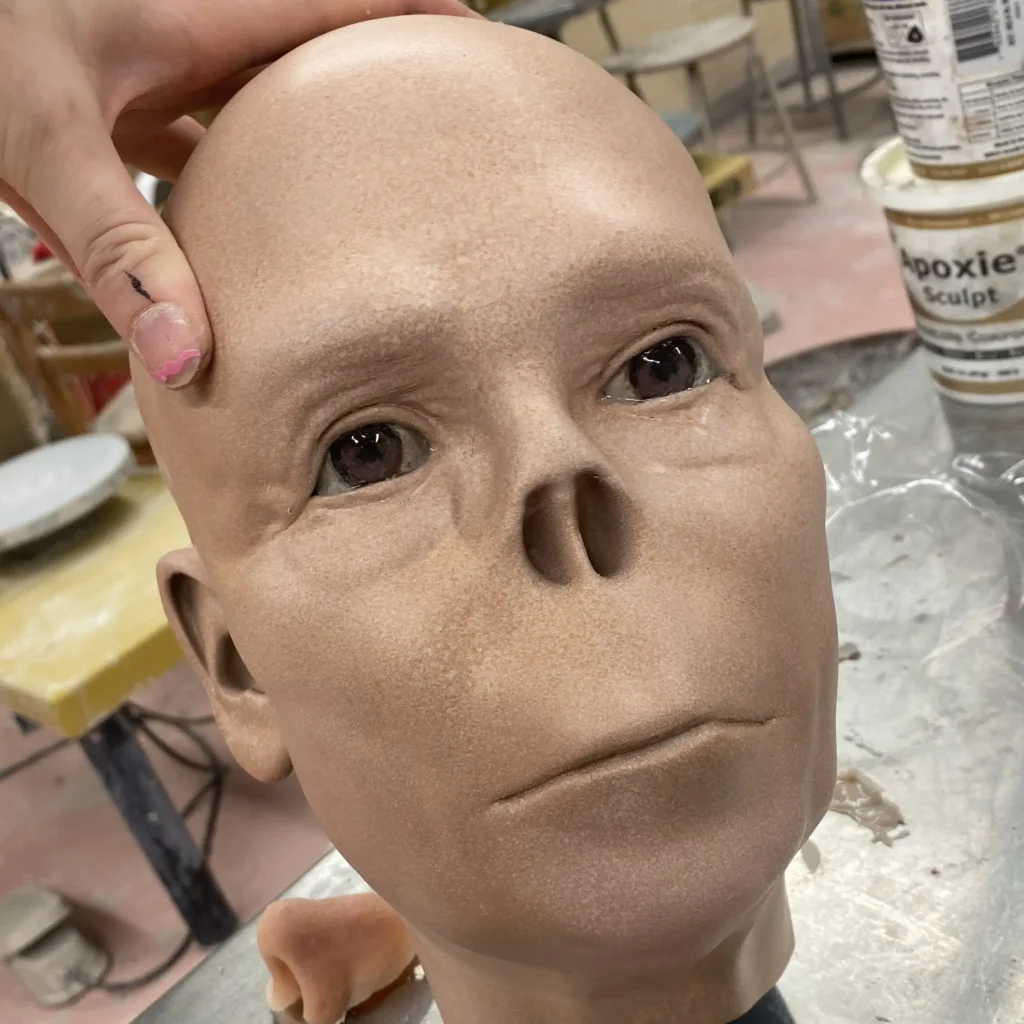
Patient Case Studies
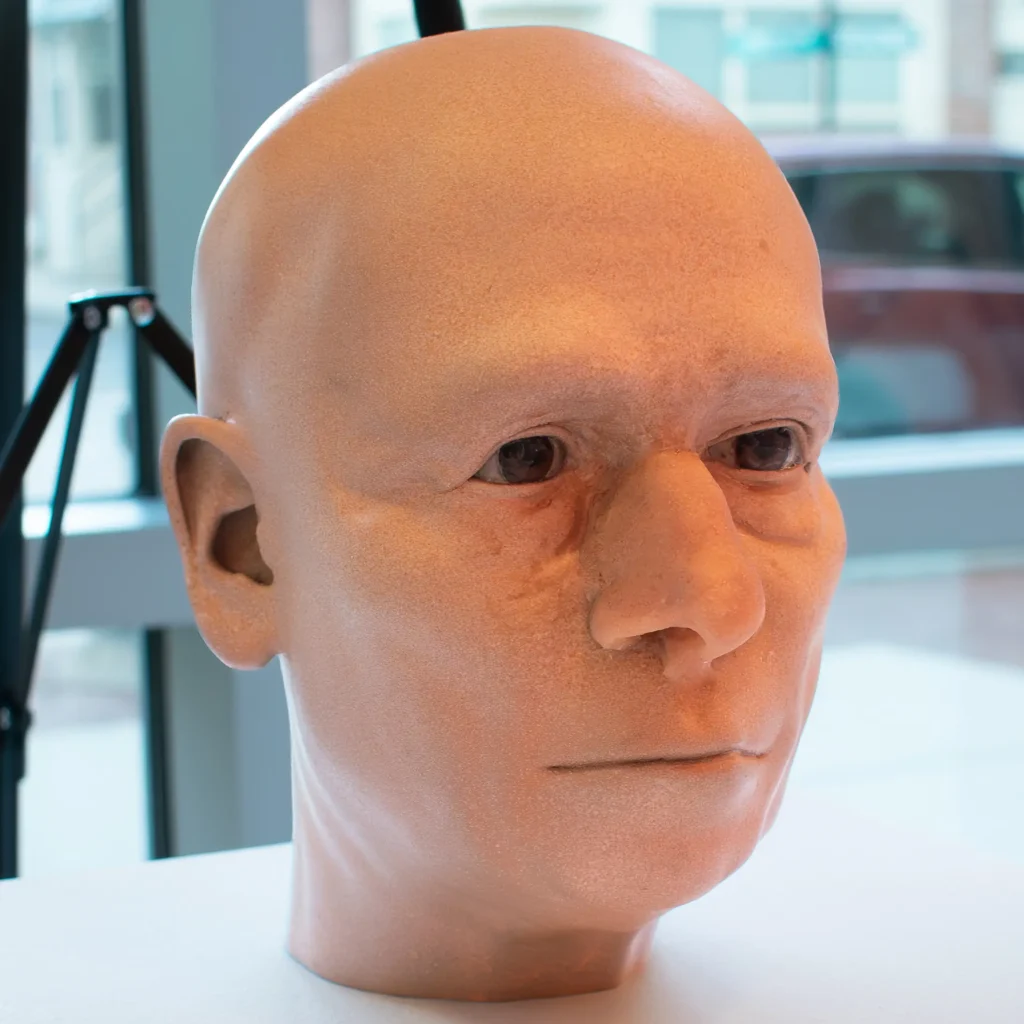
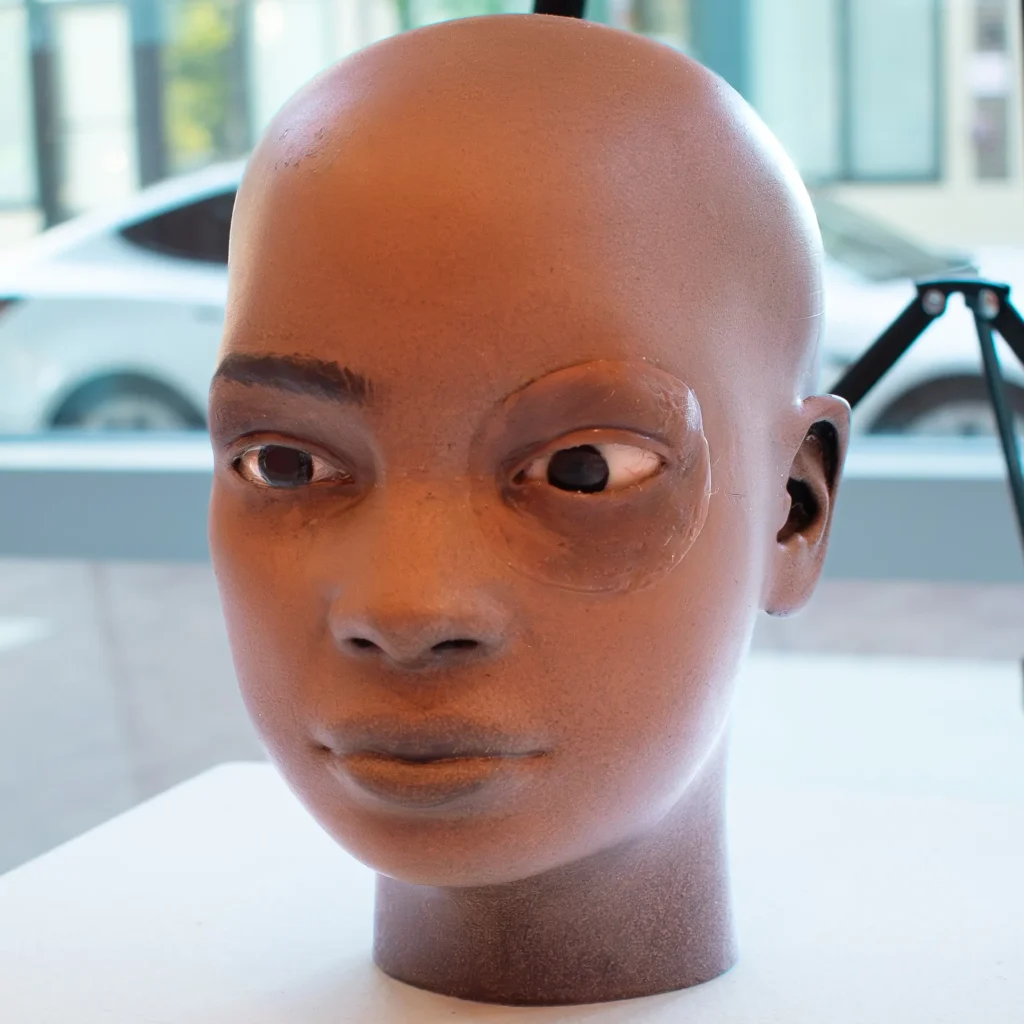
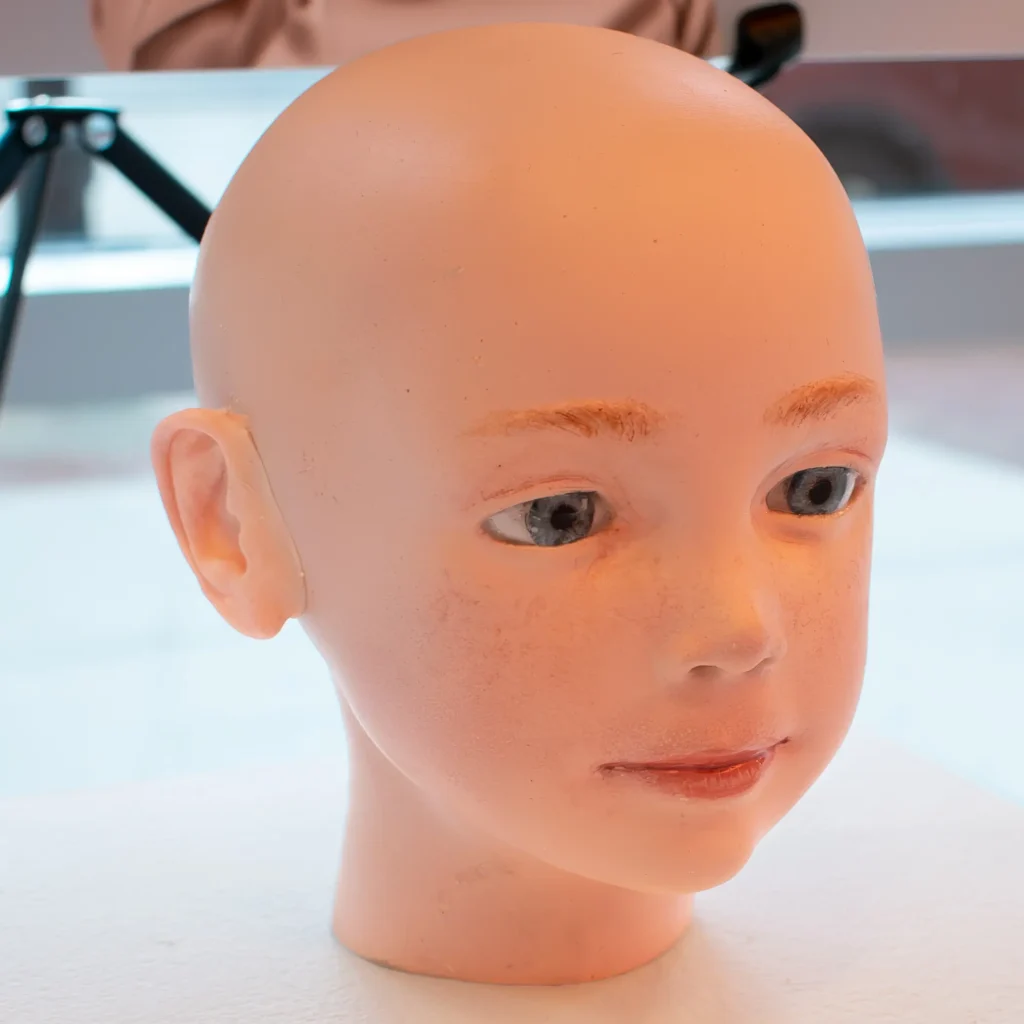
Posters
I would like to express my sincere gratitude to my committee members; Ali Padilla, Laura Frazure, Morgan Yacoe, Sara Jarret and Amanda Almon for their guidance, support, and dedication throughout this process. Your insight and expertise challenged me to think more critically, refine my work, and push beyond my initial ideas. I am especially appreciative of the time and care you each invested in reviewing my work and offering thoughtful feedback. Thank you for being an essential part of this journey and for contributing to the development of both this project and my future path.